







Holstein breed — 购买或出售


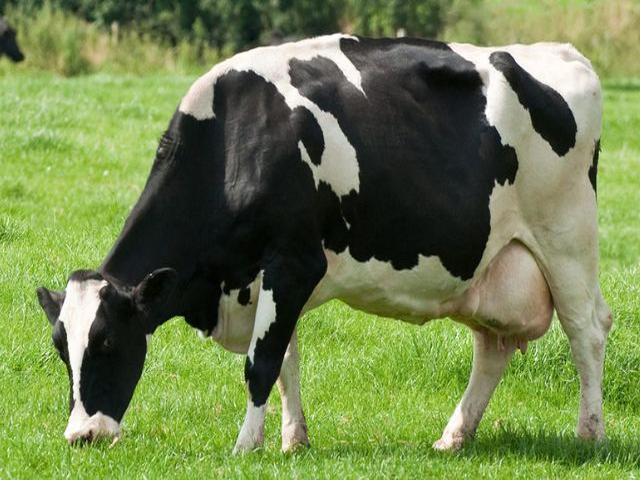
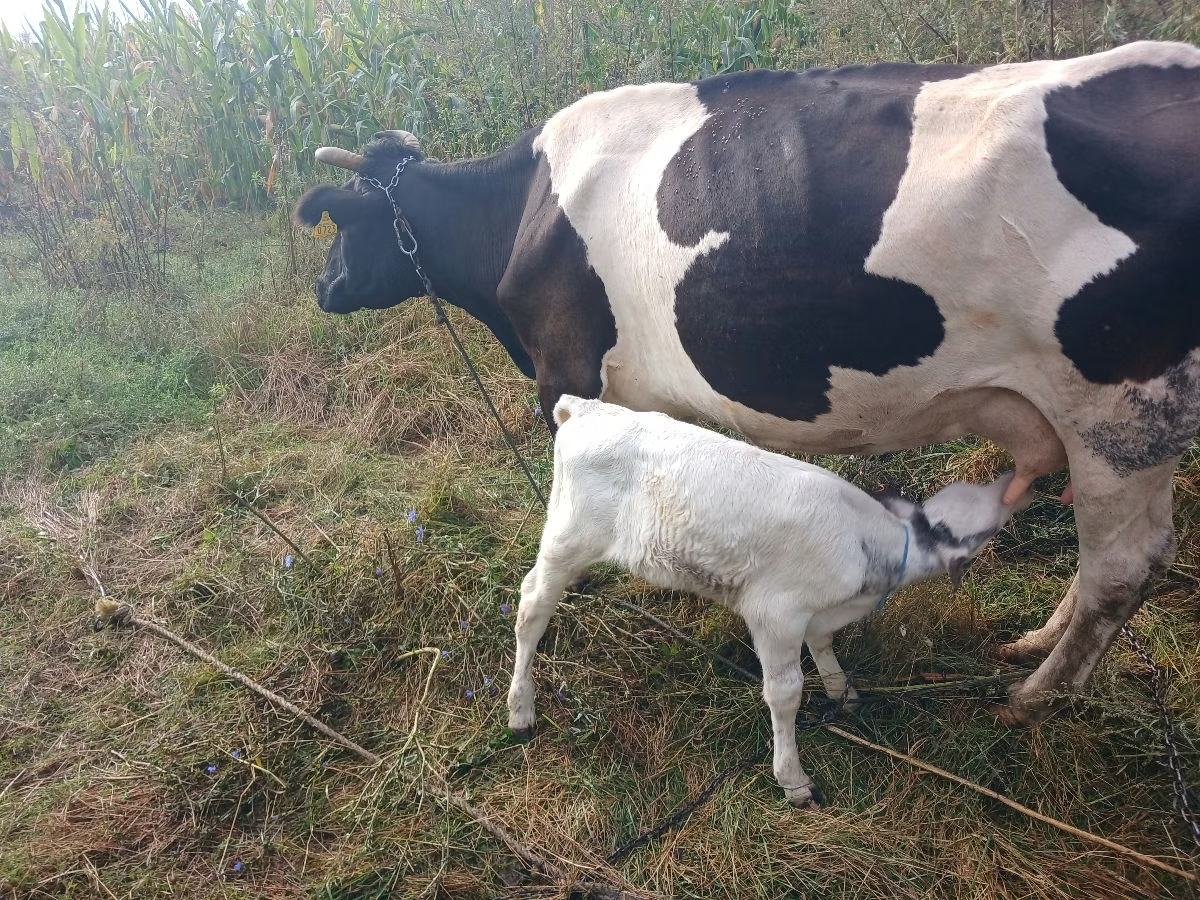
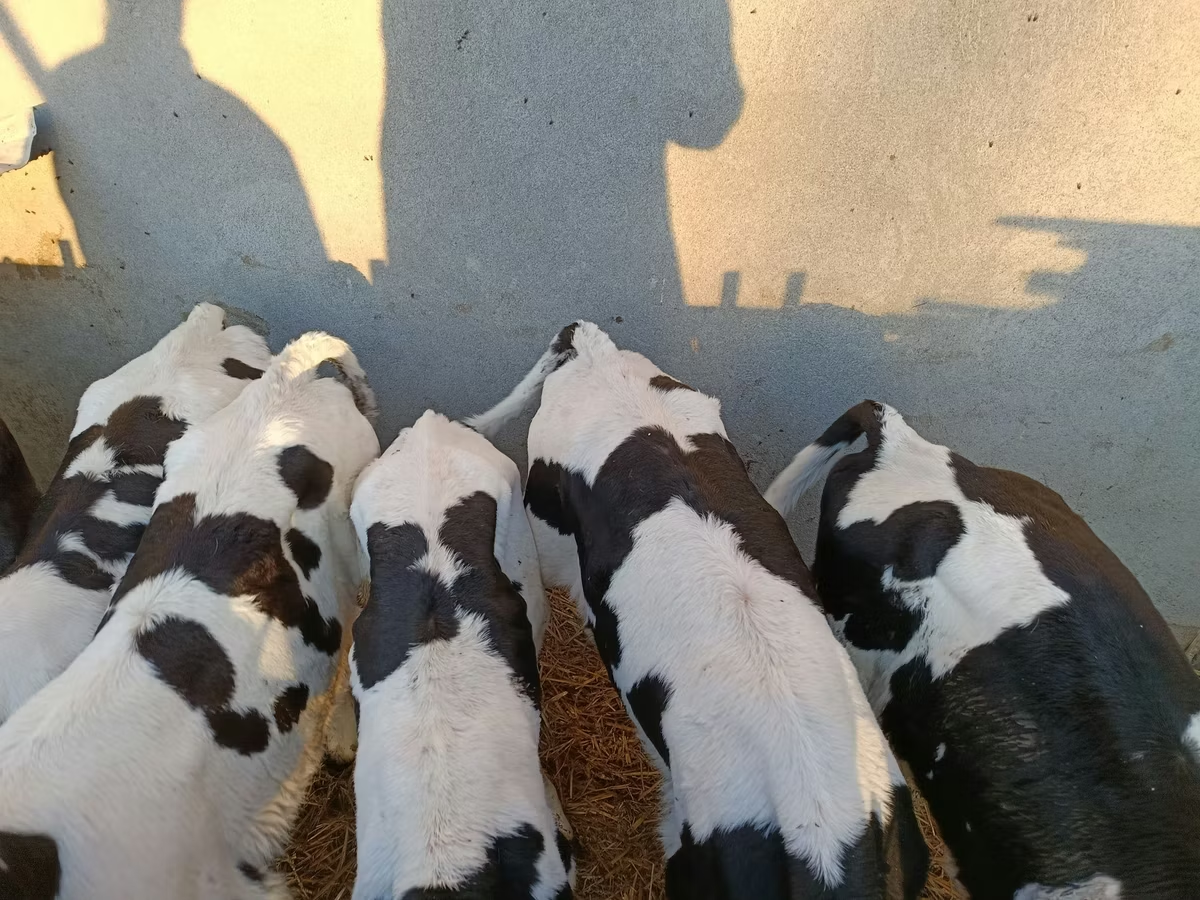
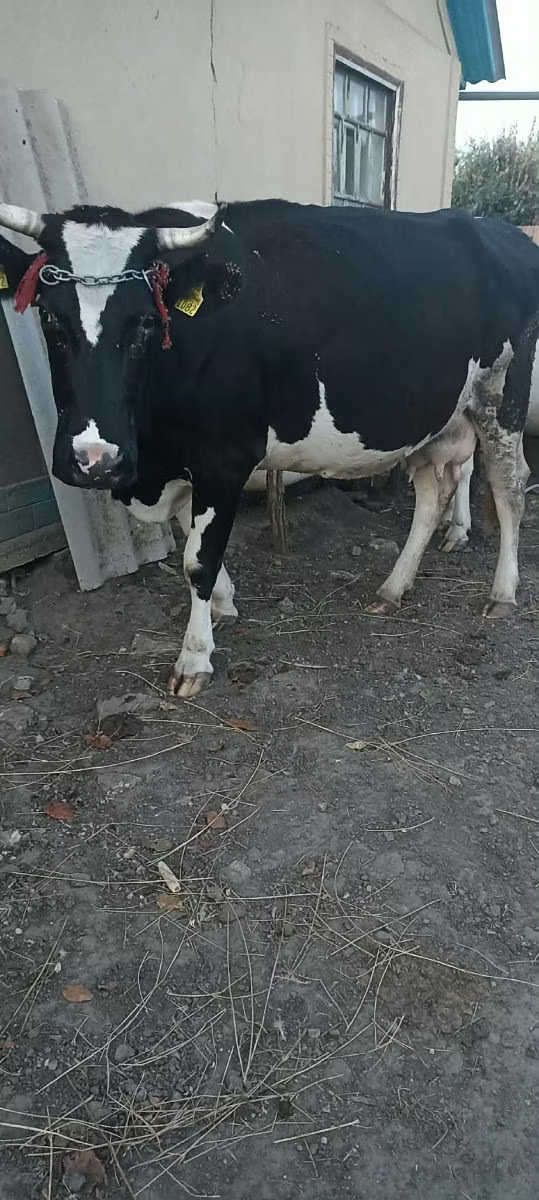
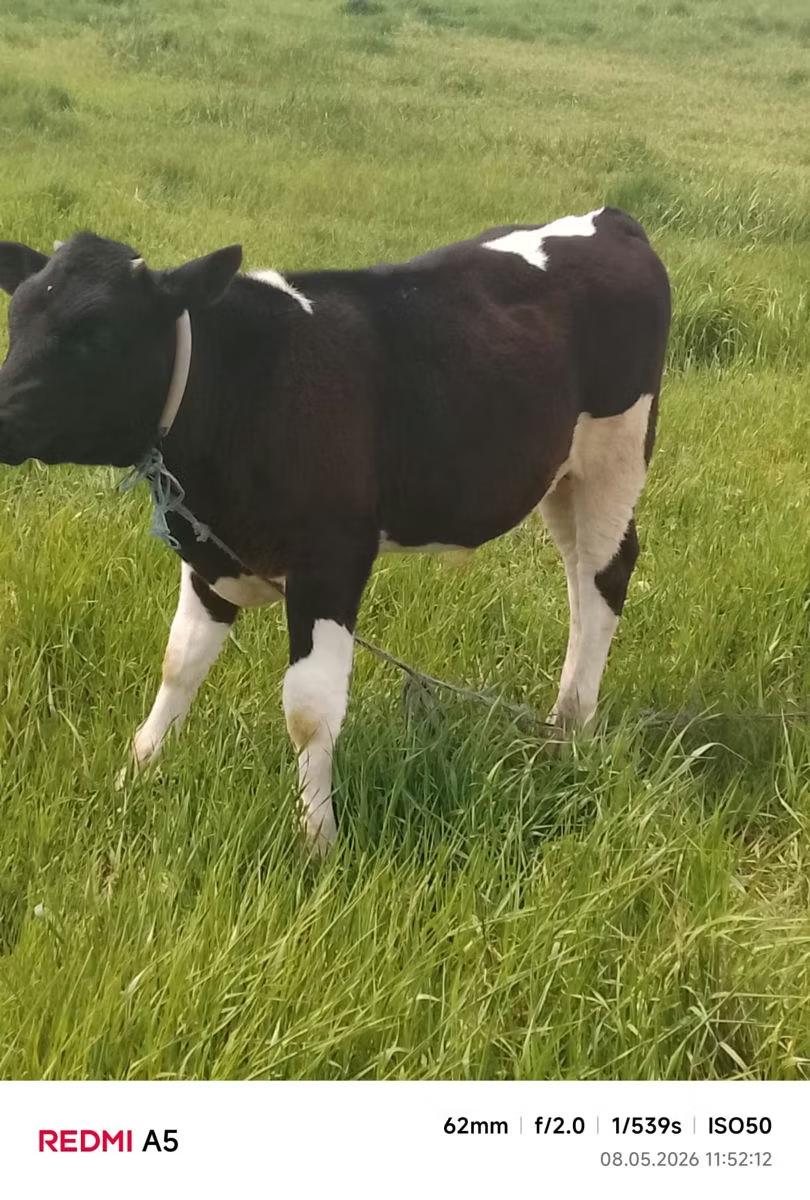
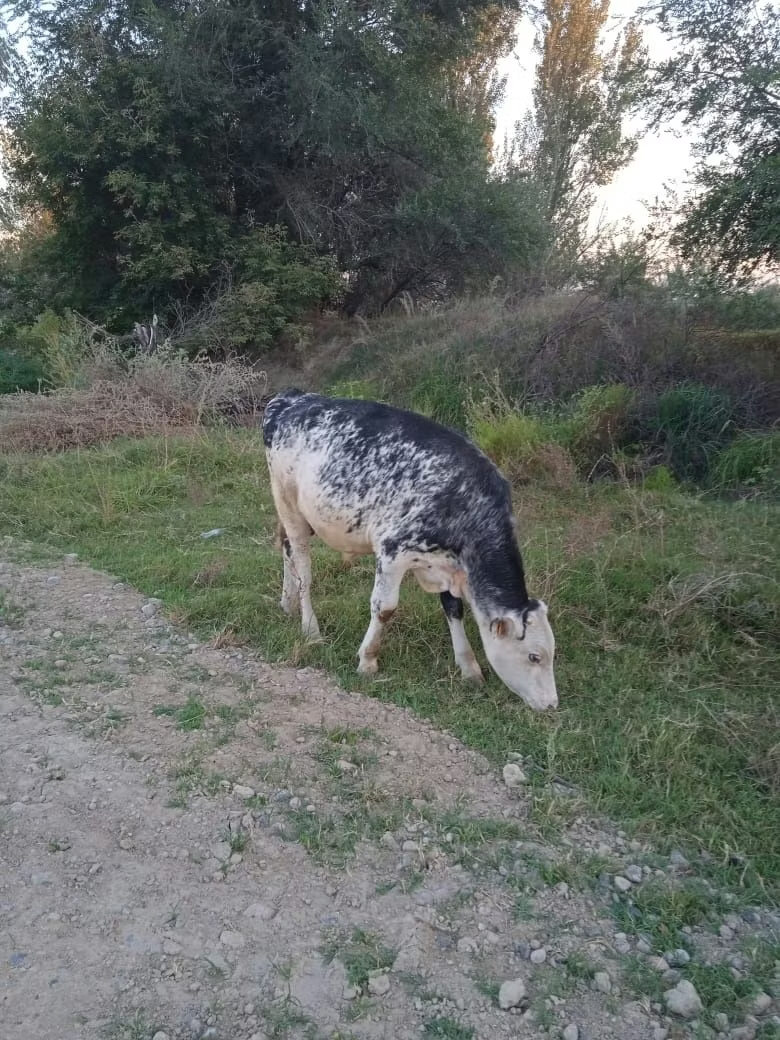
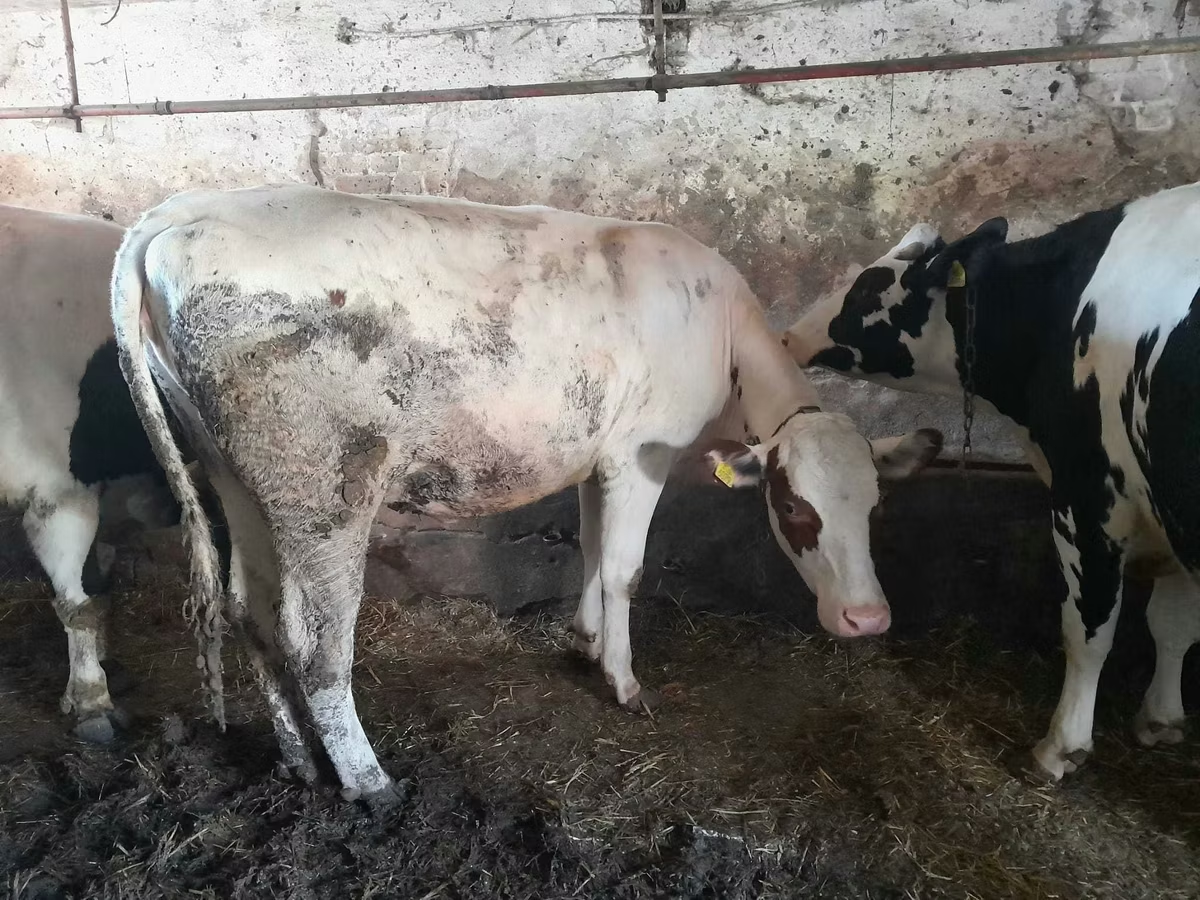
History of the Holstein breed. The homeland of Holsteins is the Netherlands. According to historical data, the breed originated before our era, when the light cattle of the Frisian tribes living in the territory of present-day northern Holland mixed with the black cows of German settlers. The mixture of German and Frisian cows gave rise to this breed. The endurance, strong immunity, and hardiness in feed characteristic of Frisian cattle were combined with the high milk qualities of German cattle. The black-and-white individuals resulting from this crossbreeding are the ancestors of Holsteins. The lands of the Netherlands were ideally suited for growing forage grasses, which the locals cultivated, producing cheese and butter for many centuries. In Friesland (a Dutch province) in the 17th century, Holsteins were kept for both milk and meat production. This approach was also adopted by most livestock breeders in other countries. Over time, black-and-white cattle were exported to many European countries. In the 19th century, cattle from Holland first arrived in the USA. Their neat appearance, high productivity, and, most importantly, the taste of the milk won the affection of American livestock breeders and beyond. The Holstein-Friesian Breeders Association was established on March 15, 1871, founded by Winthrop Chenery. Breeders in the USA and Canada focused on the conformation of the animals and the milk productivity of black-and-white cattle, and it can be said that they achieved the desired results. Since the selection was carried out within the breed, Americans are considered the pure Holsteins. In 1872, the first edition of the Holstein-Friesian breed herd book was published. By that time, cattle were already being bred in full force in 12 states of the USA. The popularity of Holsteins rapidly increased when, in 1887, a cow of this breed named Klattilda won the highest milk yield competition. In 1885, the Holstein-Friesian Association of the USA began its work, and soon Holstein cattle became the most popular in the USA, eventually gaining supremacy worldwide. An important role in the spread of Holsteins was played by the method of artificial insemination, which began to be actively used in the 1960s and had a huge impact on the genetic improvement of the breed. Exterior. The exclusively black-and-white coloration is the standard of this breed. Black spots of various sizes and shapes can cover 2/3 of the entire surface of the skin; less commonly, black Holsteins with solitary white spots on their legs and tails are found.
登录以了解更多
登录喂什么
Ration. The Holstein breed is quite demanding when it comes to feeding. To realize their milk potential, these animals must have a balanced diet, drink plenty of water, and minimize factors that cause discomfort. In the feed trough of Holsteins, one can see hay, silage, crushed barley, feed beets, sunflower and soybean meal, clover, alfalfa, lupine, and peas. Cows should only be given water that is not cold. Per day, an animal drinks about 50 liters of liquid, and during the lactation period, the need for water doubles. As for silage, it causes disputes among specialists. Some experts do not recommend adding it to the diet of Holsteins, explaining that the product contains many pathogenic bacteria and can provoke the development of mastitis and inflammatory processes in the reproductive system. However, many livestock breeders still provide corn silage. Heifers and dry cows are fed 2-3 times a day. The dry period lasts no less than 45 and no more than 65 days; a week before calving, cows are no longer given silage and haylage—this is very important to avoid cases of abortion. In the first days after calving, it is recommended to give cows dry hay.
物理参数
雄性体重: 140–160 公斤
雌性体重: 130–150 公斤
雄性身高: 900–1000 厘米
雌性身高: 700–800 厘米
栖息地
不丹
东帝汶
中国
中国澳门特别行政区
中国香港特别行政区
中非共和国
丹麦
乌克兰
乌兹别克斯坦
乌干达
乌拉圭
乍得
也门
亚美尼亚
以色列
伊拉克
伊朗
伯利兹
佛得角
俄罗斯
保加利亚
克罗地亚
关岛
冈比亚
冰岛
几内亚
几内亚比绍
列支敦士登
刚果(布)
刚果(金)
利比亚
利比里亚
加拿大
加纳
加蓬
匈牙利
北马其顿
北马里亚纳群岛
南苏丹
南非
博茨瓦纳
卡塔尔
卢旺达
卢森堡
印度
印度尼西亚
危地马拉
厄瓜多尔
叙利亚
古巴
台湾
吉尔吉斯斯坦
吉布提
哈萨克斯坦
哥伦比亚
哥斯达黎加
喀麦隆
图瓦卢
土库曼斯坦
土耳其
圣卢西亚
圣基茨和尼维斯
圣多美和普林西比
圣文森特和格林纳丁斯
圣马力诺
圭亚那
坦桑尼亚
埃及
埃塞俄比亚
基里巴斯
塔吉克斯坦
塞内加尔
塞尔维亚
塞拉利昂
塞浦路斯
塞舌尔
墨西哥
多哥
多米尼克
多米尼加共和国
奥兰群岛
奥地利
委内瑞拉
孟加拉国
安哥拉
安圭拉
安提瓜和巴布达
安道尔
密克罗尼西亚
尼加拉瓜
尼日利亚
尼日尔
尼泊尔
巴勒斯坦领土
巴哈马
巴基斯坦
巴巴多斯
巴布亚新几内亚
巴拉圭
巴拿马
巴林
巴西
布基纳法索
布隆迪
希腊
帕劳
库克群岛
库拉索
开曼群岛
德国
意大利
所罗门群岛
拉脱维亚
挪威
捷克
摩尔多瓦
摩洛哥
摩纳哥
文莱
斐济
斯威士兰
斯洛伐克
斯洛文尼亚
斯里兰卡
新加坡
新喀里多尼亚
新西兰
日本
智利
朝鲜
柬埔寨
根西岛
格林纳达
格陵兰
格鲁吉亚
比利时
毛里塔尼亚
毛里求斯
汤加
沙特阿拉伯
法国
法属圣马丁
法属圭亚那
法属波利尼西亚
法罗群岛
波兰
波多黎各
波斯尼亚和黑塞哥维那
泰国
泽西岛
津巴布韦
洪都拉斯
海地
澳大利亚
爱尔兰
爱沙尼亚
牙买加
特克斯和凯科斯群岛
特立尼达和多巴哥
玻利维亚
瑙鲁
瑞典
瑞士
瓜德罗普
瓦利斯和富图纳
瓦努阿图
留尼汪
白俄罗斯
百慕大
直布罗陀
科威特
科摩罗
科特迪瓦
科索沃
秘鲁
突尼斯
立陶宛
索马里
约旦
纳米比亚
缅甸
罗马尼亚
美国
美属维尔京群岛
美属萨摩亚
老挝
肯尼亚
芬兰
苏丹
苏里南
英国
英属维尔京群岛
荷兰
荷属加勒比区
荷属圣马丁
莫桑比克
莱索托
菲律宾
萨尔瓦多
萨摩亚
葡萄牙
蒙古
西撒哈拉
西班牙
贝宁
赞比亚
赤道几内亚
越南
阿塞拜疆
阿富汗
阿尔及利亚
阿尔巴尼亚
阿拉伯联合酋长国
阿曼
阿根廷
阿鲁巴
韩国
马尔代夫
马恩岛
马拉维
马提尼克
马来西亚
马约特
马绍尔群岛
马耳他
马达加斯加
马里
黎巴嫩
黑山
常见问题
Holstein breed有多重?
成年动物:公牛 — 140–160 公斤, 母牛 — 130–150 公斤。
Holstein breed有多高?
肩高:公牛 — 900–1000 厘米, 母牛 — 700–800 厘米。
Holstein breed起源于哪里?
原产国 — 荷兰。
Holstein breed在哪里饲养?
该品种分布于:不丹, 东帝汶, 中国, 中国澳门特别行政区, 中国香港特别行政区, 中非共和国, 丹麦, 乌克兰。
Holstein breed吃什么?
Ration.
问答
还没有问题。第一个提问!
登录 以提问
您所在地区的分类信息