


















Brown Latvian — buy or sell



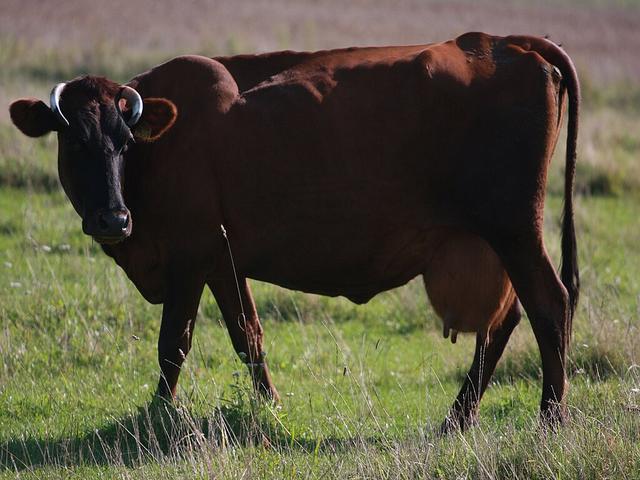
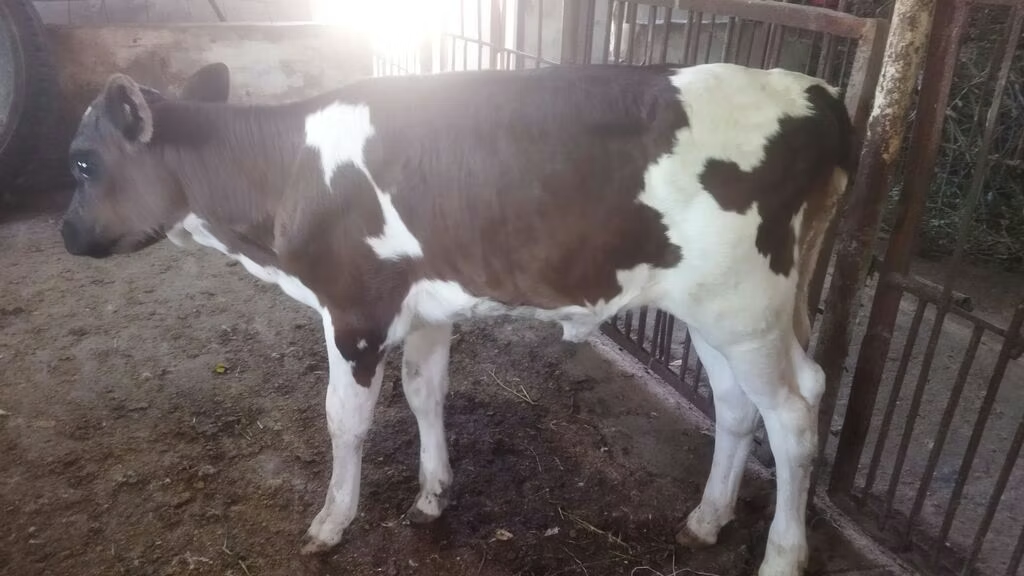
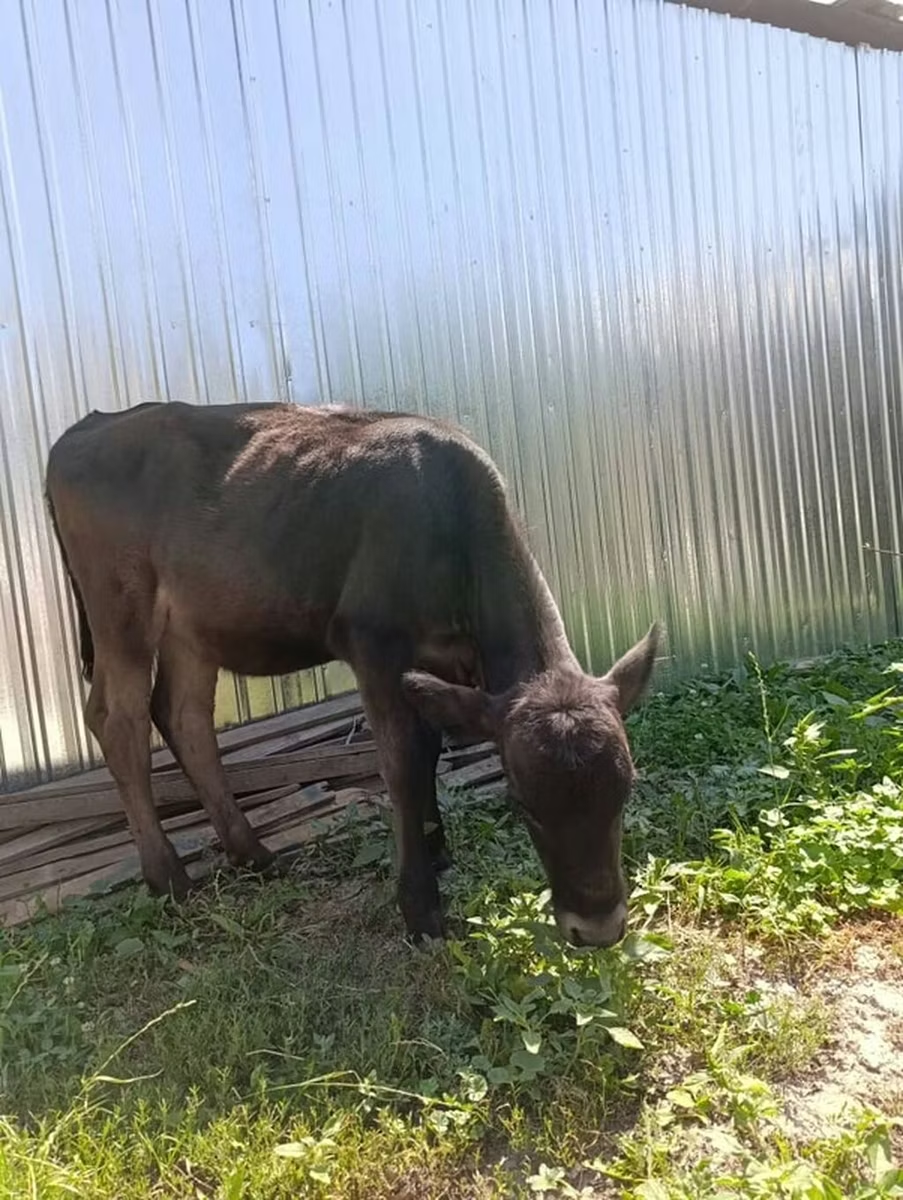
History of the breed: The Brown Latvian cow is a breed of dairy cattle developed in Latvia. It is characterized by high productivity, endurance, and adaptability to housing conditions. In 1910, livestock breeder Paulis Leijins began selective breeding to create a new breed. He crossed local cattle with the Angler breed, and then, to increase milk yield, with the Red Danish breed. The first record of the Brown Latvian cow appeared in 1911. Official recognition as an independent breed was granted to the Brown Latvian in 1922. From that moment, it began to be actively bred in Latvia. Subsequently, to improve the breed, the Red Danish, Angler, Swiss, Swedish Red and White, and Holstein Red and White breeds were also used. This allowed for improvements in its milk productivity and adaptability to local conditions. The peak population of the breed occurred in 1980, when there were about 142,000 Brown Latvian cattle in Latvia. However, by 2014, the number of cows had drastically decreased to only 123 heads. Exterior: The color of the Brown Latvian varies in shades of red, from light to dark. The muzzle, ears, lower part of the neck, legs, and tail are darker, almost black. This contrasting coloration makes their appearance even more expressive. The horns of the Brown Latvian are small and curved. They do not pose a danger to humans or other animals, but they do add a certain charm. The body of the Brown Latvian is strong and angular. This is a typical exterior for dairy cattle. The body is elongated, the chest is wide and deep, and the croup is long, straight, and wide. The legs are strong and well-placed. The height at the withers for bulls reaches 153 cm, while for cows it is 131 cm. The average weight of Brown Latvian bulls is 1000 kg. Cows weigh less, ranging from 540 to 600 kg. The udder of the cows is well-developed and has a cup-like shape. It is voluminous and proportional, with properly positioned teats. This ensures high milk productivity and ease of milking. Housing conditions: The Brown Latvian cow is a breed that was developed in the Baltic region and is well adapted to local conditions. It can live and reproduce in a temperate climate with cool winters and warm summers. However, the Brown Latvian can also adapt to southern regions with a hotter climate. This speaks to its adaptability and endurance.
Log in to learn more
Sign inWhat to feed
Diet: The basis of the nutrition of the Latvian brown cow consists of herbaceous feed. In warm weather, they graze in pastures and eat fresh grass. In winter, hay—dried grass harvested in advance—replaces the grass. To provide the cows with all the necessary nutrients, concentrates are added to their diet—feed mixtures that contain a high concentration of protein, vitamins, and minerals. They help improve digestion, increase milk yield, and strengthen the health of the cows. The composition of the concentrates can vary depending on the needs of the cows and the availability of ingredients. They may include cereal crops, cake, meal, bran, and mineral and vitamin supplements. It is important to remember that the diet should be balanced and meet the needs of the cows at different stages of their lives. For example, during lactation and pregnancy, the cows require a greater amount of nutrients.
Physical parameters
Male Weight: 120–153 kg
Female weight: 110–131 kg
Male height: 900–1100 cm
Female height: 540–600 cm
Habitat Range
Latvia
Frequently Asked Questions
How much does Brown Latvian weigh?
Adult animal: male — 120–153 kg, female — 110–131 kg.
How tall is Brown Latvian?
Height at the withers: male — 900–1100 cm, female — 540–600 cm.
Where does Brown Latvian come from?
Country of origin — Latvia.
What should Brown Latvian be fed?
Diet: The basis of the nutrition of the Latvian brown cow consists of herbaceous feed.
Q&A
No questions yet. Ask the first!
Log in to ask a question
Listings in your area